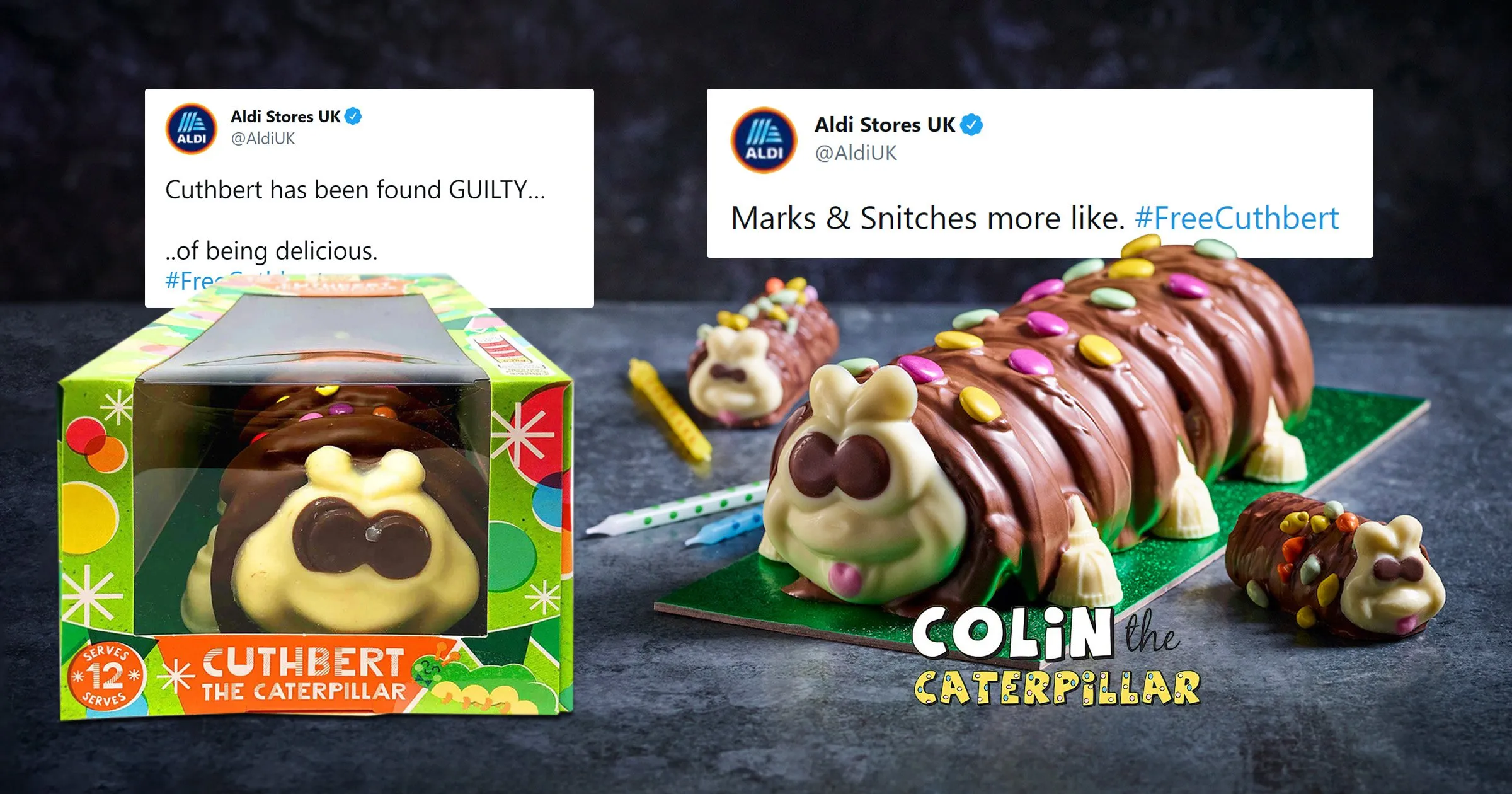
Orson Welles said the enemy of art is the absence of limitations. He was right. The best creative work rarely comes from a blank canvas and a generous budget. It comes from a wall. A constraint. A competitor stealing your caterpillar cake.
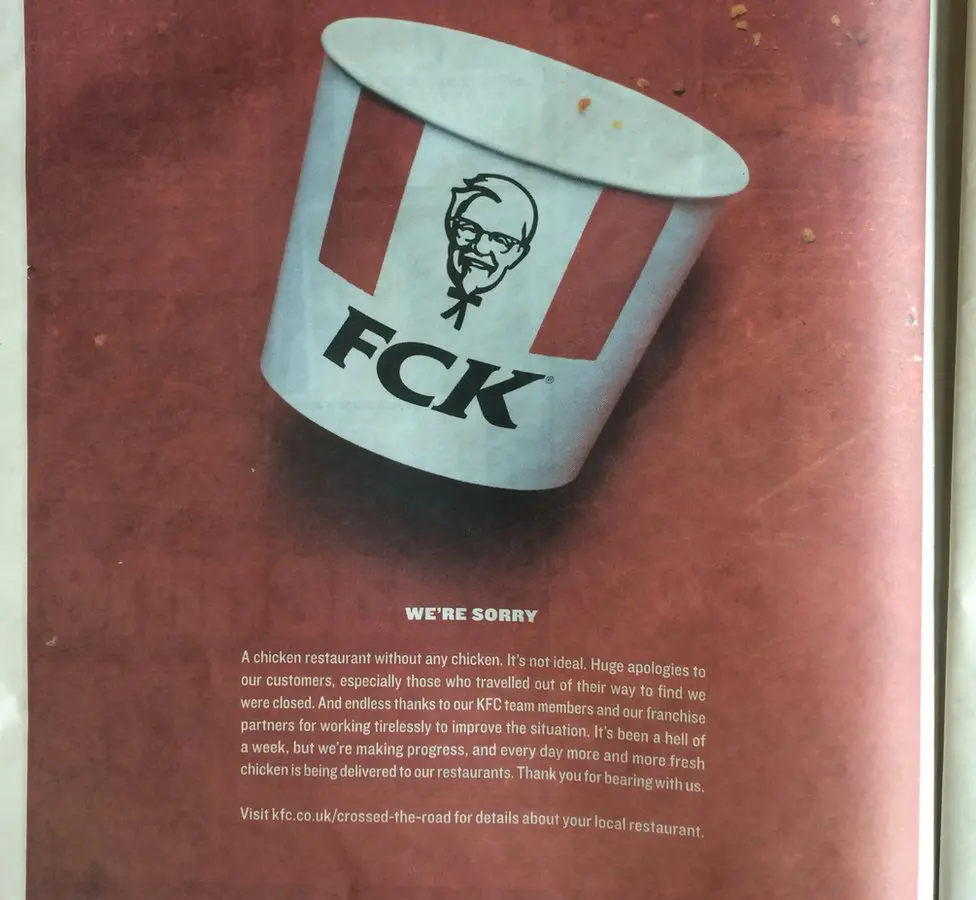
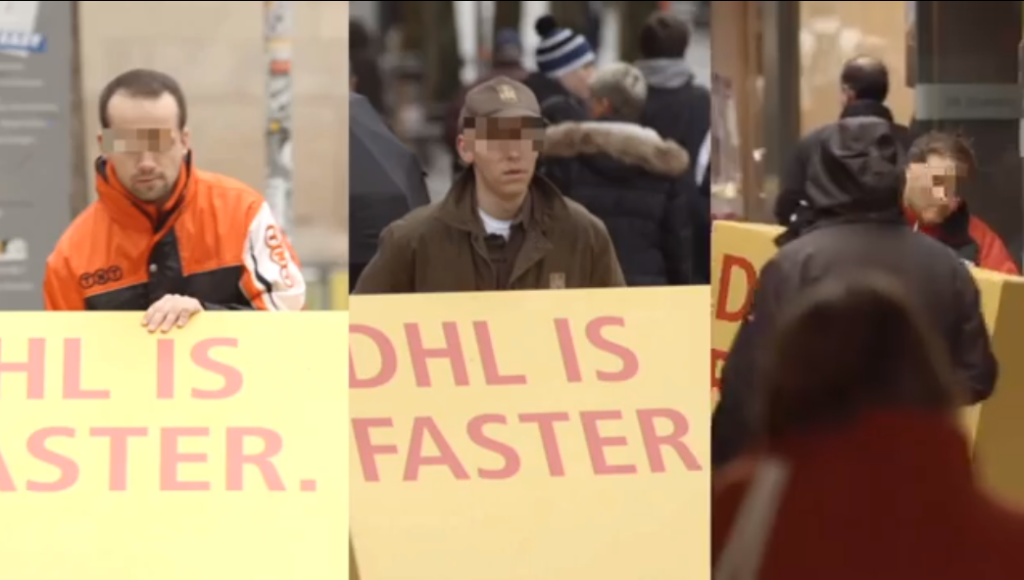
When M&S sued Aldi over Colin, most brands would have gone quiet and let the lawyers talk. Aldi did the opposite, cheeky, warm, completely on-brand. The friction didn’t damage them. It defined them. KFC pulled the same move when they ran out of chicken in the UK, running a full-page apology with their logo rearranged to read “FCK.” DHL went further still, using heat-reactive packaging that looked plain black when cold but revealed the message “DHL IS FASTER” once delivered by a competitor, making rivals into accidental promoters. All three understood the same thing: it’s not the friction that counts, it’s the response. Humility, wit, genuine personality. Not a PR strategy. A voice.
There’s a newer kind of friction worth thinking about. AI is the latest constraint creative people are learning to push against, or lean into. The tools are extraordinary, but they default to the middle, to the smooth, to the expected. So I started looking at what actually makes us creative. The answer keeps coming back to the same thing. Resistance. Pressure. The wall that forces you to find another way through. The friction comes from knowing what to reject, what to redirect, what to make your own. For now, that still needs a human. The machine can generate the response. It can’t yet decide whether it’s worth making.
Whether it’s a lawsuit, a rival’s stunt, or a machine that writes in your voice, the question is always the same. What do you do with the wall?
On creativity and constraints:
- Why Constraints Are Good for Innovation — Harvard Business Review. A review of 145 studies finding that individuals, teams and organisations all benefit from the right level of constraint.
- Creativity and Constraints — Rosso, 2014. Field research with R&D teams showing that constraints can enhance rather than kill creativity, depending on how teams respond to them.
On crisis response and brand tone:
- KFC FCK Campaign: A Masterclass in Crisis Management — Science of Retail. How matching your crisis response to your existing brand voice is what makes it land.
- Crisis Communication Strategies: Lessons from Major Brands — Hilaris Publisher. Case studies including United Airlines and Johnson & Johnson on why authenticity during a crisis determines whether you recover.
- Managing Brand Reputation Amid Digital Virality and Scandals — WJARR, 2025. Research on how negative narratives solidify when left unaddressed, and why brands that respond with authenticity are more resilient.